Post-Vacation Training After Changing Time Zones
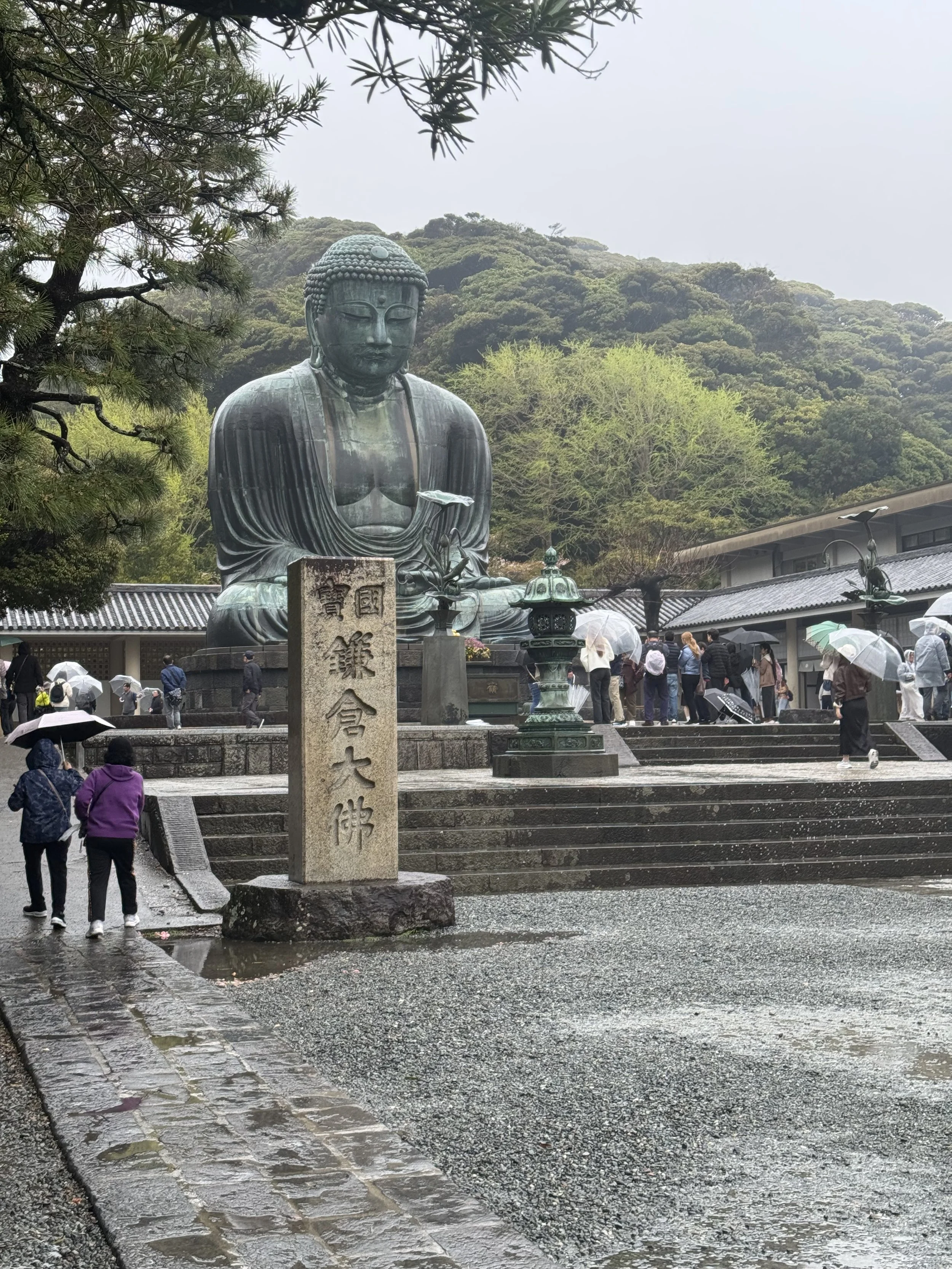
Big Buddha in Kamakura, Japan.
This past April, I returned from an amazing two and half week trip to Japan. The trip was incredible to say the least. I spent most days wandering around temples, busy streets, crowded yet quiet trains, made new friends, and I ate some of the best food I’ve ever had in my life.
However, after I returned to California, the time-zone switch absolutely kicked my butt. For the first week and a half, I was getting an average of 4–5 hours of sleep each night as I just naturally kept waking up at 2–3am. Oof.
Here's what I did about it — and what might help if you're dealing with something similar:
Sleep Tips
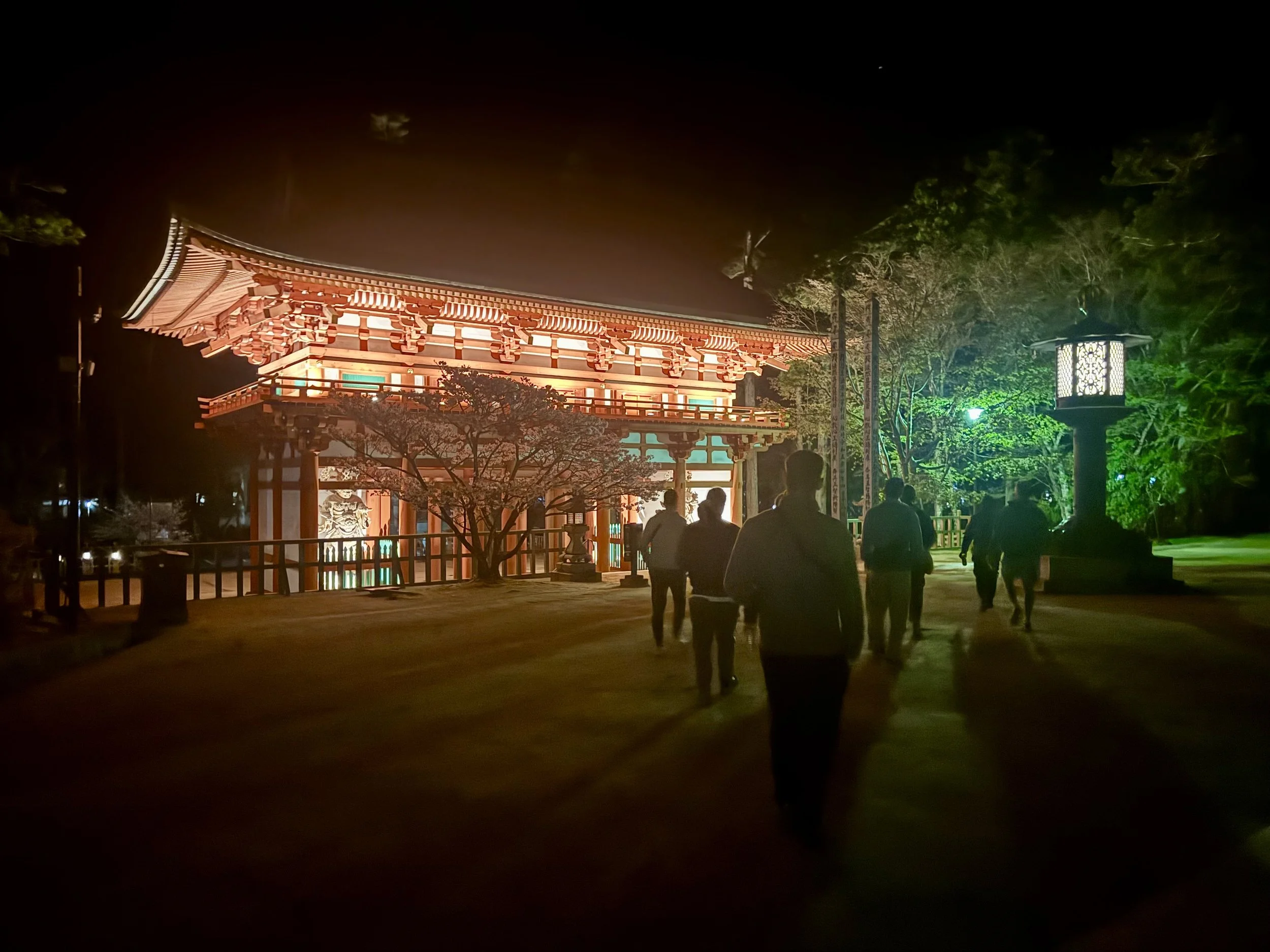
Photo of the Daimon Gate in Koyasan.
Focus on reestablishing your routine. The body's internal clock responds to both rhythm and light exposure. When light hits our eyes, hormones are released that make us feel more alert. When the sun goes down, we start to feel more tired.
I worked on going to bed at my (pre-vacation) normal time around 9:30-10:00pm, got sun exposure in the mornings and avoided screens and bright lights in the evenings before bed. If I woke up early, I did some light reading - either until I felt tired or until it was time to start the day.
I also avoided caffeine in the afternoon. If I felt sleepy in the afternoon, I would set a timer and take a short 10–15 minute nap. Anything longer than 30 minutes tends to disrupt my sleep later in the evening.
Adjusting Training Intensity
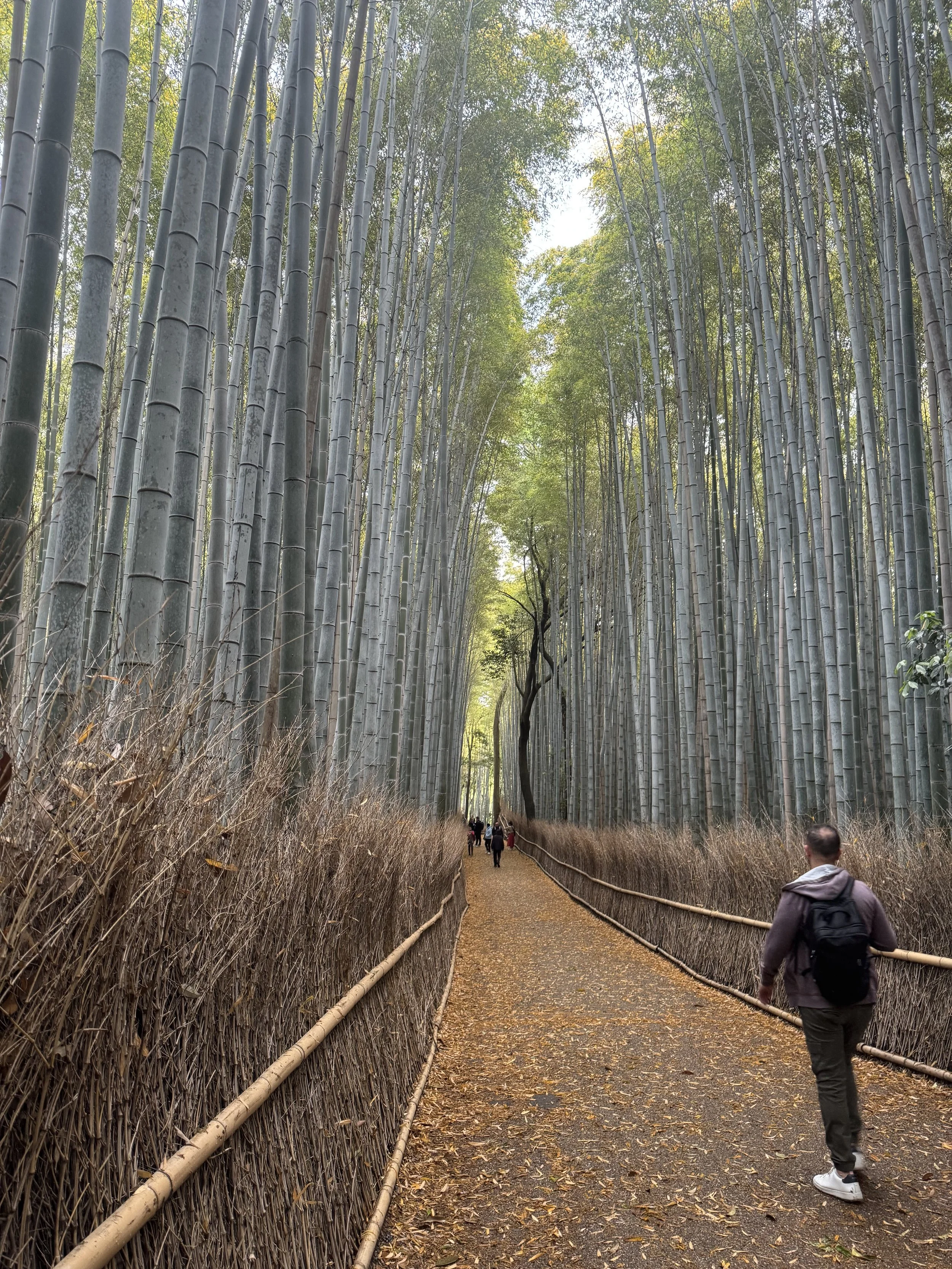
Arashiyama Bamboo Grove in Kyoto
During the 3 weeks after my trip, limited sleep left me feeling more tired during my own workouts. This, combined with the fact that I took a 2.5 week break from training meant I adjusted the intensity and structure of my own sessions, including:
1. Using autoregulation to adjust how heavy I go based on my fatigue that day. I wasn’t concerned with trying to hit my previous lift numbers or the run times from before my trip. Instead, I played it by ear and focused more on just moving my body at a tolerable intensity until my sleep improved. During big lifts such as squats, bench press, or deadlifts, I build up to a moderately challenging weight in 2–3 sets, knocked out my working sets, and moved on.
2. Dialing back high-impact/intensity work. Normally I do conditioning work across the week, including speed-focused work on Tuesdays, which includes short, near maximal sprint work on hills, the self-propelled treadmill, or on the air bike as well as a MetCon workout on Thursdays.
For the first few weeks after the trip, I swapped in more moderate conditioning work to get my heart rate up with a steady mixed modal circuit on the conditioning days.
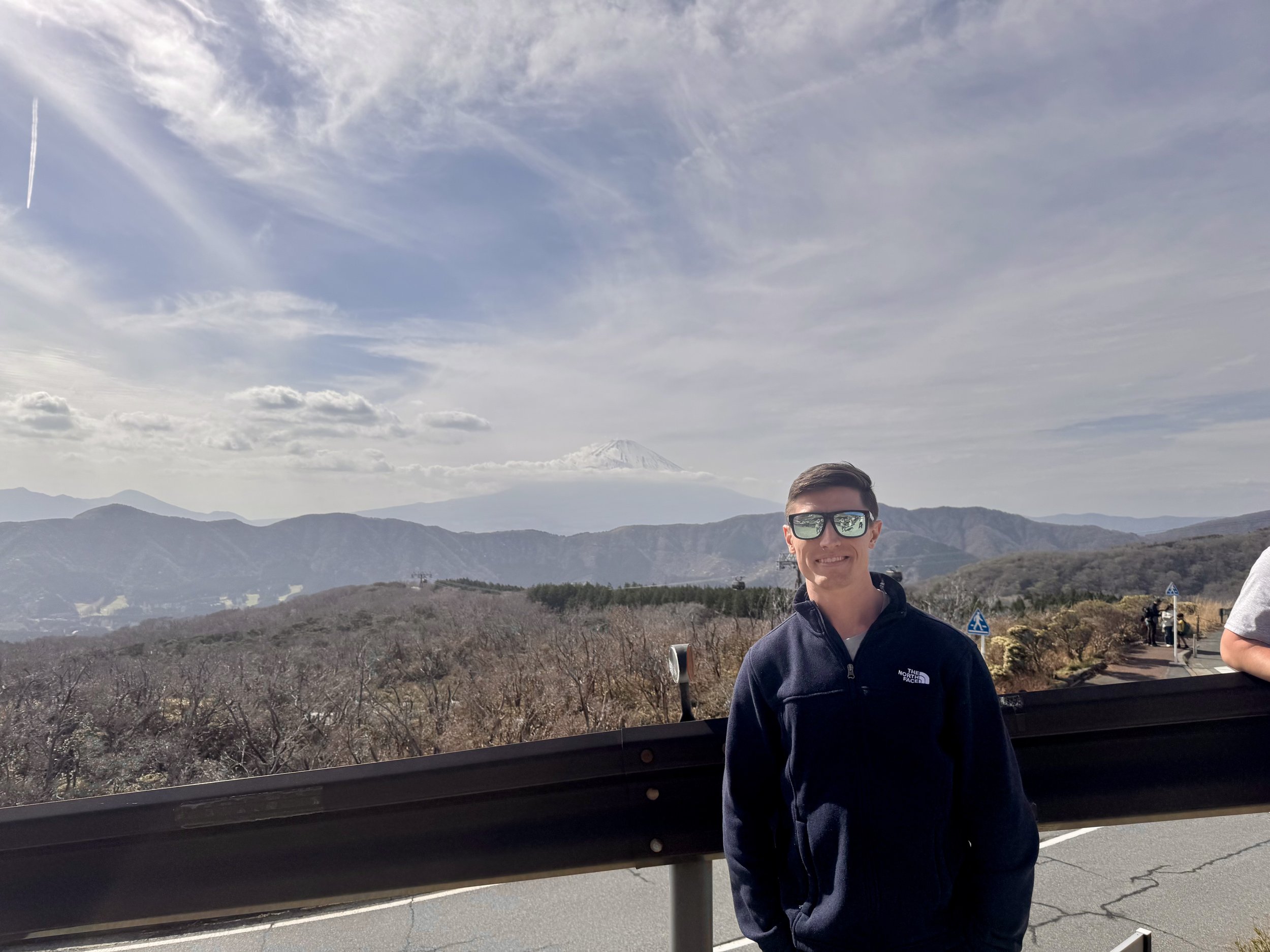
We lucked out with a clear view of Mount Fuji.
Ultimately, the most effective training fits where you are today, not where you used to be.
Adjusting based on your current circumstances is not quitting or selling yourself short, it means you're staying adaptable.
If you need help adjusting your training to fit you where you are, feel free to reach out here.